
Bathtub Refinishing Benefits
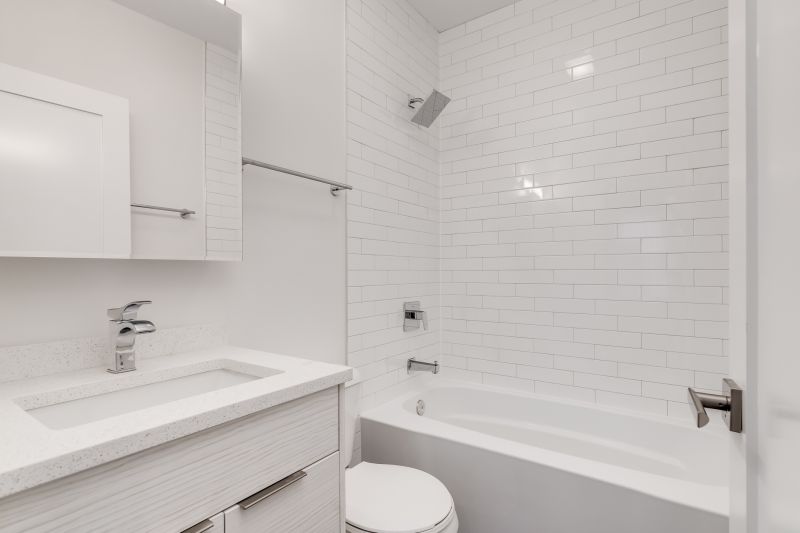
Spring offers moderate temperatures and humidity levels, ideal for proper curing of refinished surfaces.
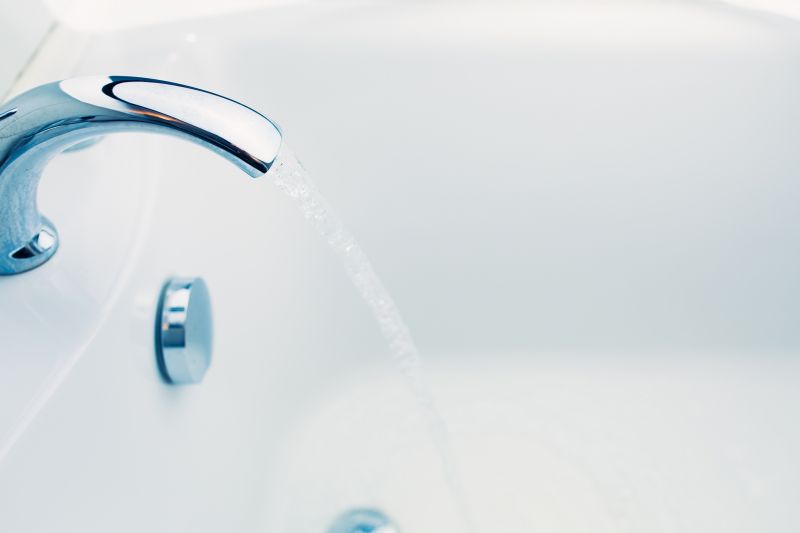
Summer provides warmer weather, which can accelerate drying times but requires attention to humidity control.
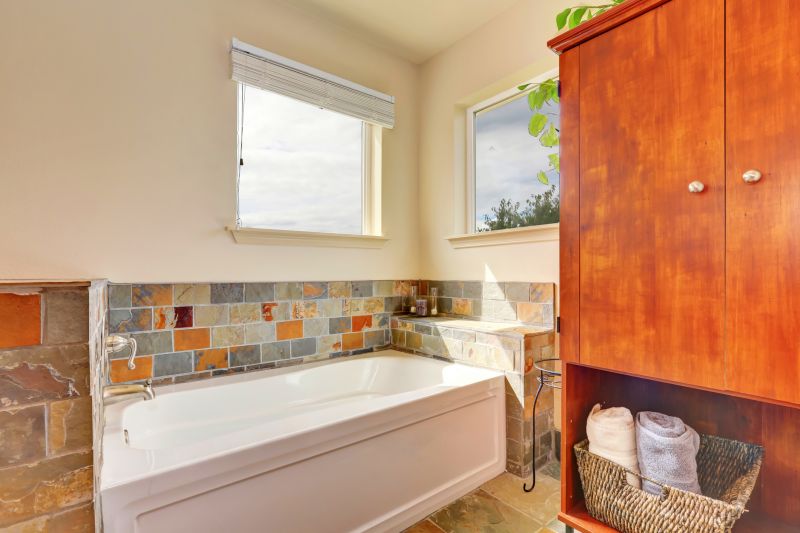
Fall's cooler temperatures can be suitable, especially when indoor environments are climate-controlled.
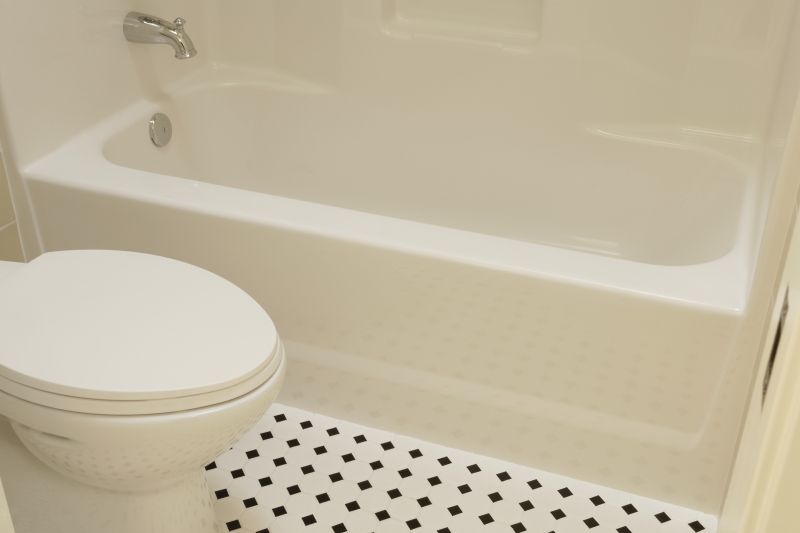
Ways to make Bathtub Refinishings work in tight or awkward layouts.
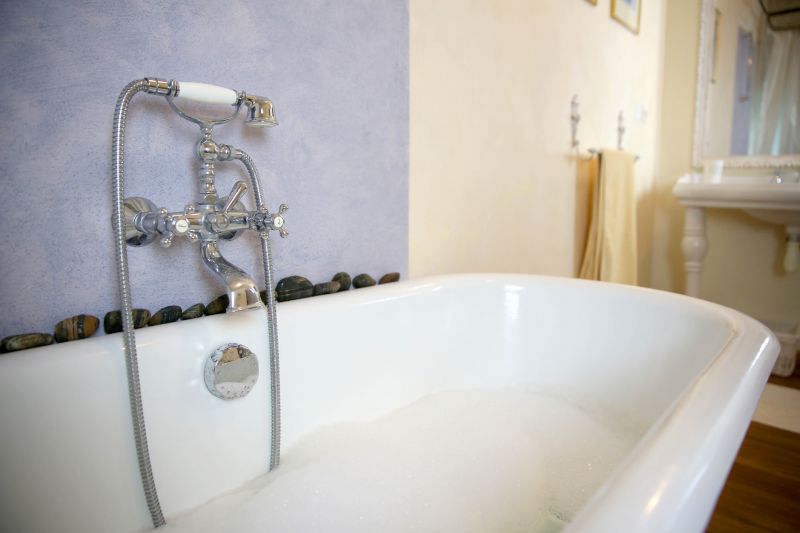
Popular materials for Bathtub Refinishings and why they hold up over time.
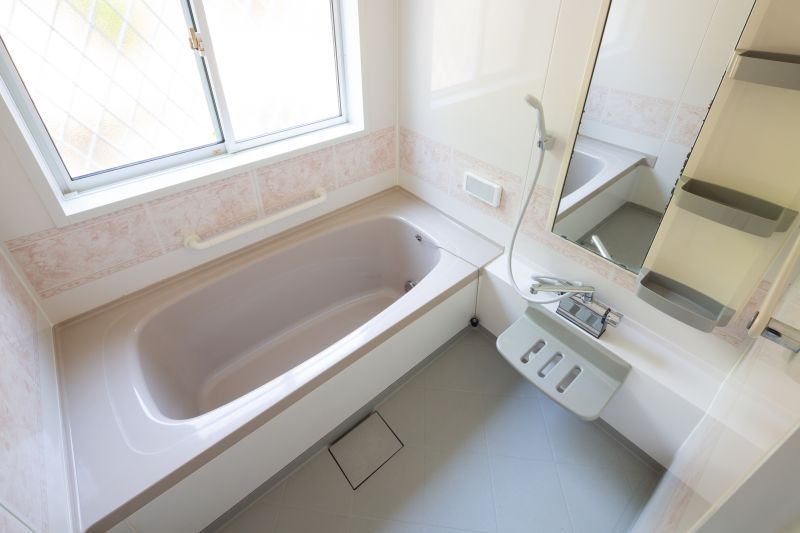
Simple add-ons that improve Bathtub Refinishings without blowing the budget.
High-end options that actually feel worth it for Bathtub Refinishings.
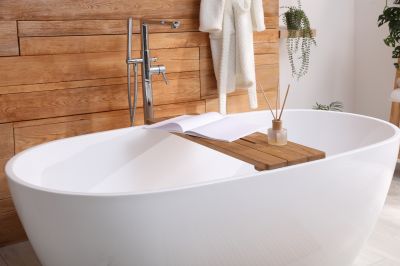
Finishes and colors that play nicely with Bathtub Refinishings.
Bathtub refinishing is a cost-effective way to restore the appearance and functionality of a bathtub without the need for full replacement. The process involves applying a new coating over the existing surface, which can significantly improve the look of worn or stained tubs. Proper timing for refinishing can influence the durability and quality of the results, making it an important consideration for homeowners and property managers.
Statistics indicate that bathtub refinishing can extend the lifespan of a tub by several years, with over 80% of refinished bathtubs maintaining their appearance for at least five years. The process typically takes a few hours to complete, with a curing period that varies based on environmental conditions. Choosing the right season and climate can help ensure the coating cures properly, reducing the risk of future damage or peeling.
Refinishing is best performed when ambient temperatures are between 60-80 degrees Fahrenheit for optimal adhesion.
Low to moderate humidity levels help prevent moisture from affecting the curing process and surface finish.
Indoor refinishing is often preferred in extreme weather conditions to maintain a controlled environment.
Scheduling refinishing during periods of stable weather reduces the likelihood of delays caused by rain or high humidity.
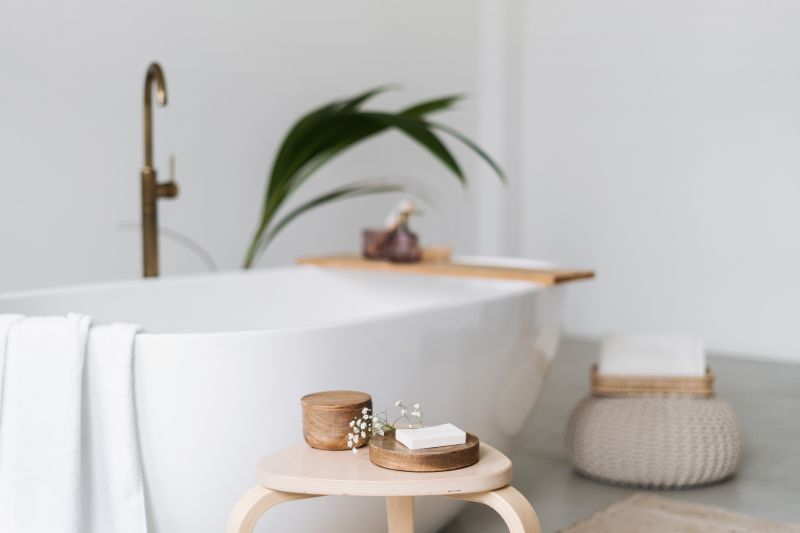
Close-up of a glossy, newly refinished bathtub.
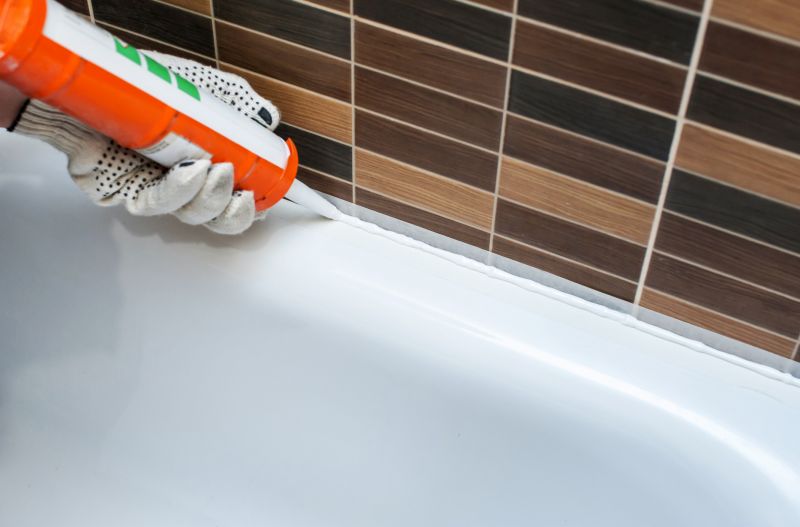
Technician applying the coating during a refinishing session.
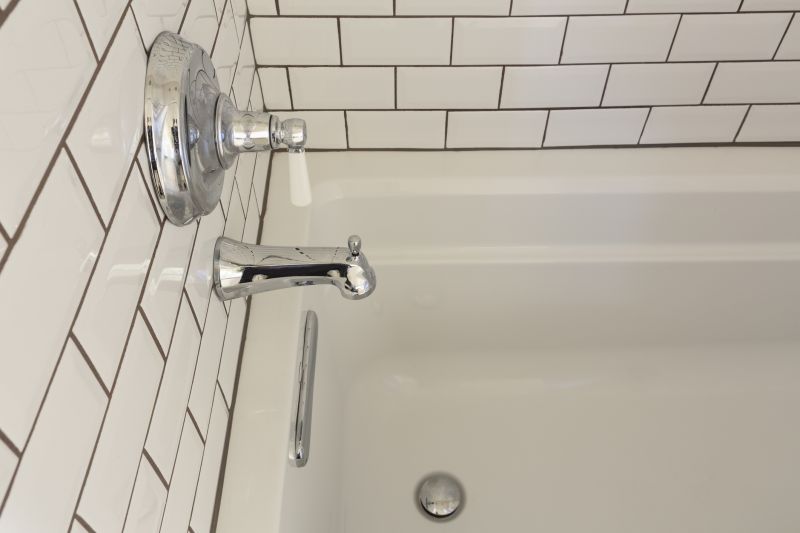
Comparison of a worn bathtub and its refinished counterpart.
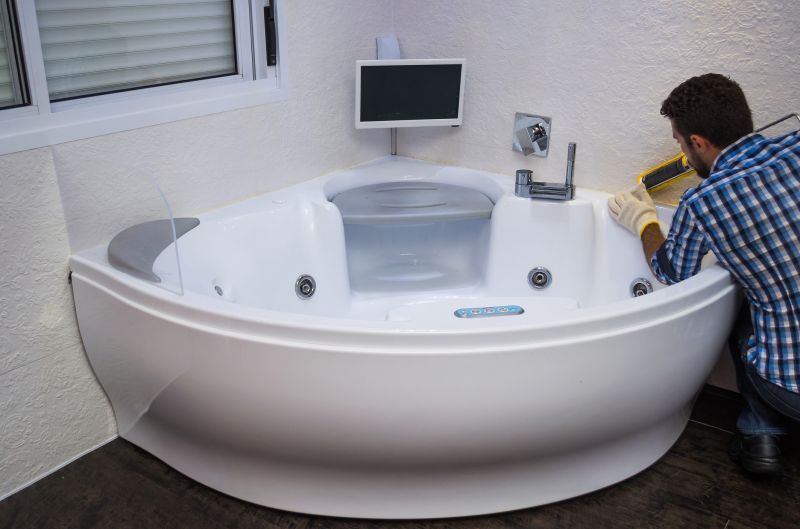
Controlled environment for optimal curing conditions.
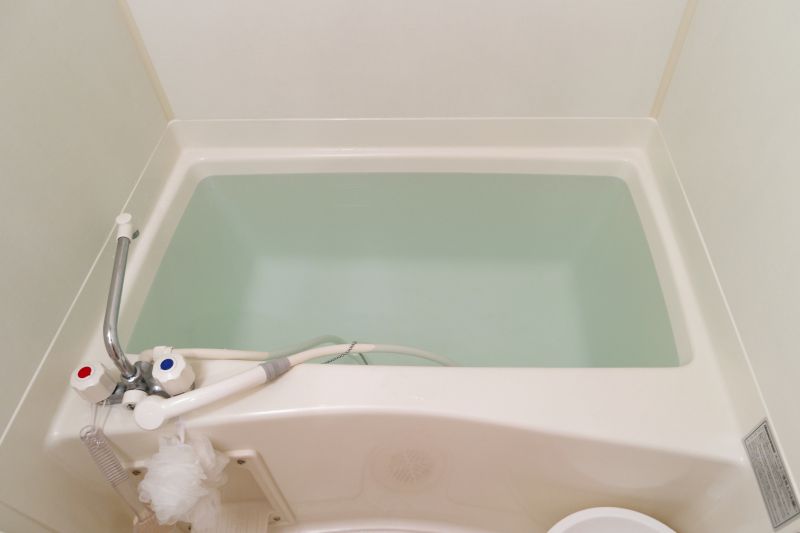
Detail of the smooth, durable surface after refinishing.
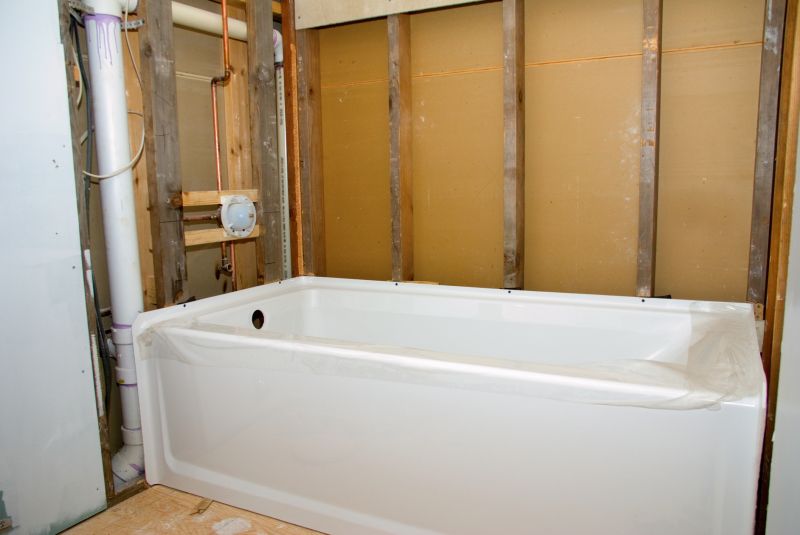
Refinished bathtub as part of a bathroom upgrade.
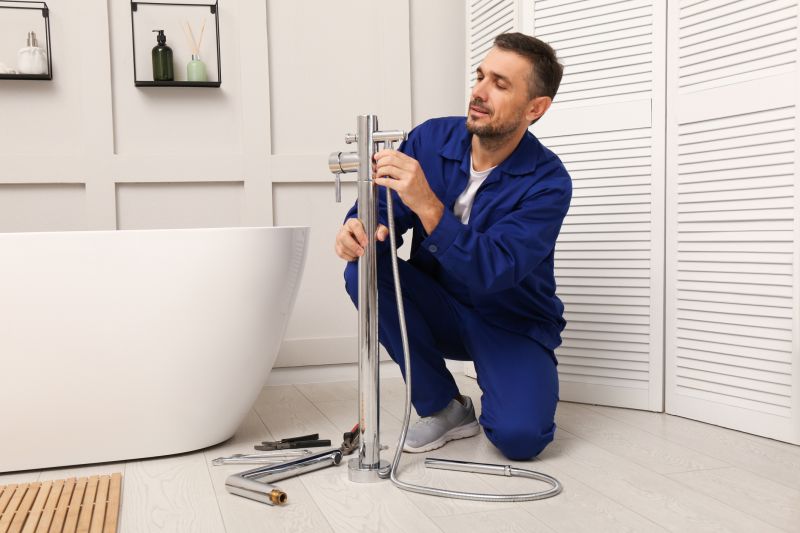
Tools and materials used in the refinishing process.
Little measurements that prevent headaches on Bathtub Refinishings day.
| Season | Recommended Conditions |
|---|---|
| Spring | Moderate temperatures, low humidity, indoor preferred |
| Summer | Warm weather, monitor humidity, indoor preferred |
| Fall | Cooler temperatures, climate-controlled indoor environment |
| Winter | Indoor refinishing recommended due to cold temperatures |
| Late Spring | Ideal for curing with stable weather conditions |
| Early Fall | Suitable when humidity is controlled indoors |
| Late Summer | Possible with proper humidity management |
Choosing the optimal time for bathtub refinishing depends on local climate conditions and indoor environment control. Scheduling during seasons with mild temperatures and low humidity can enhance the durability and appearance of the finish. Proper preparation and timing are key to achieving professional results that last.
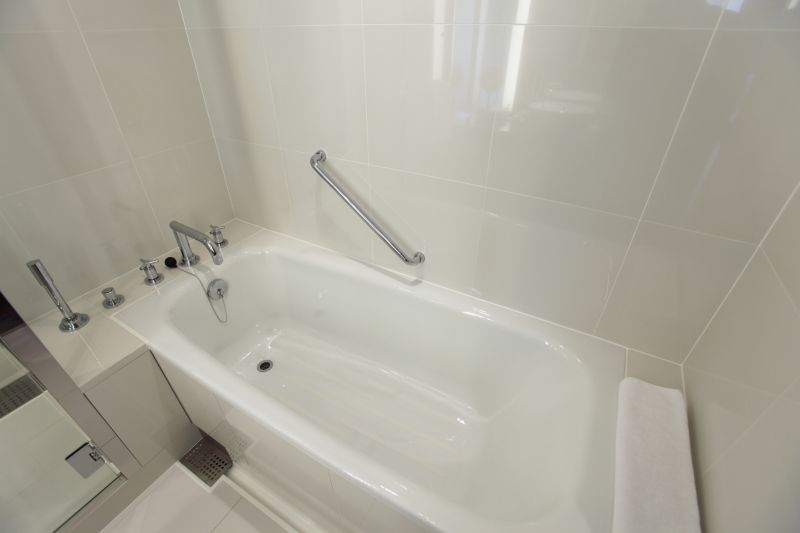
High-quality finish with a smooth surface.
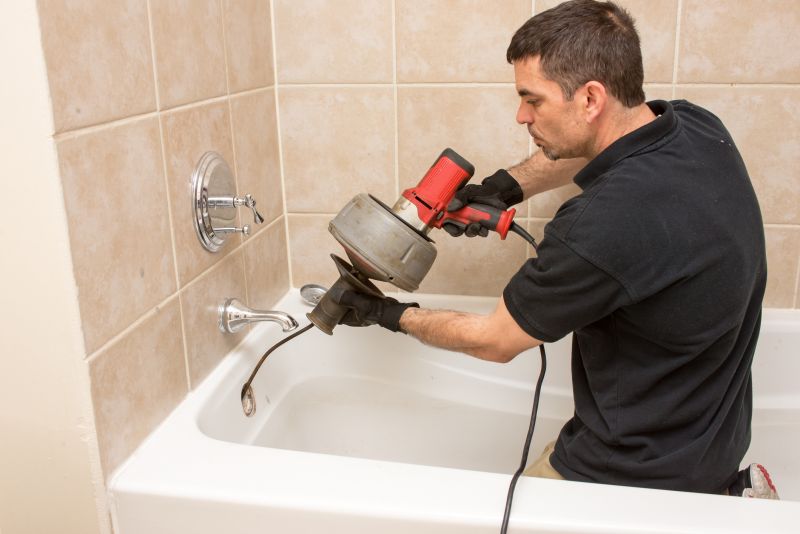
Tools and materials during the process.
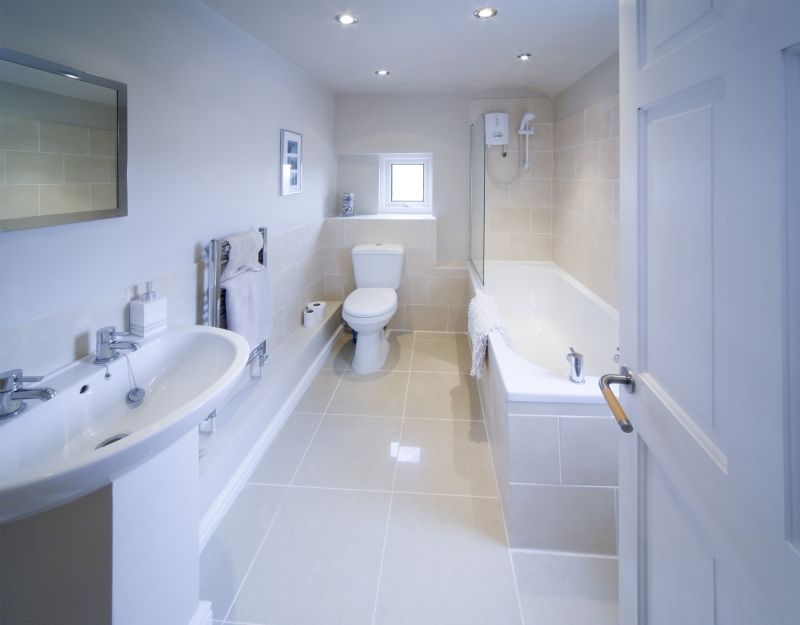
Modern bathroom featuring a refinished bathtub.
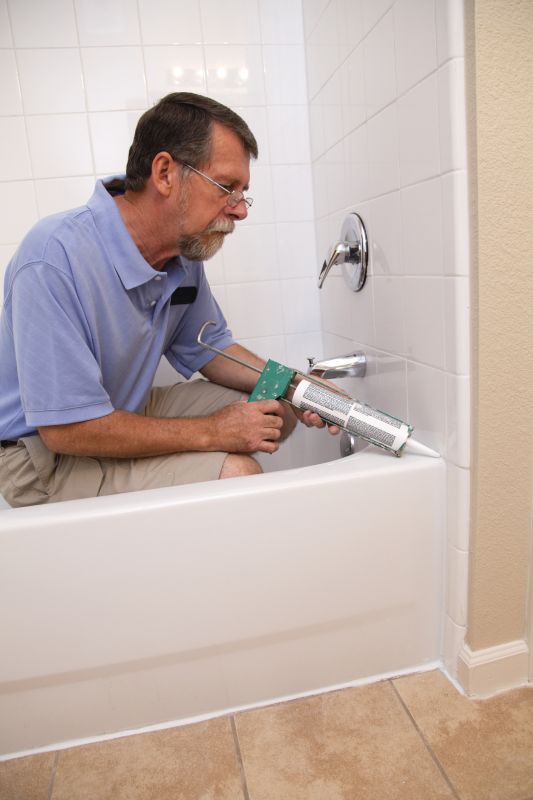
Technician applying the final coat.
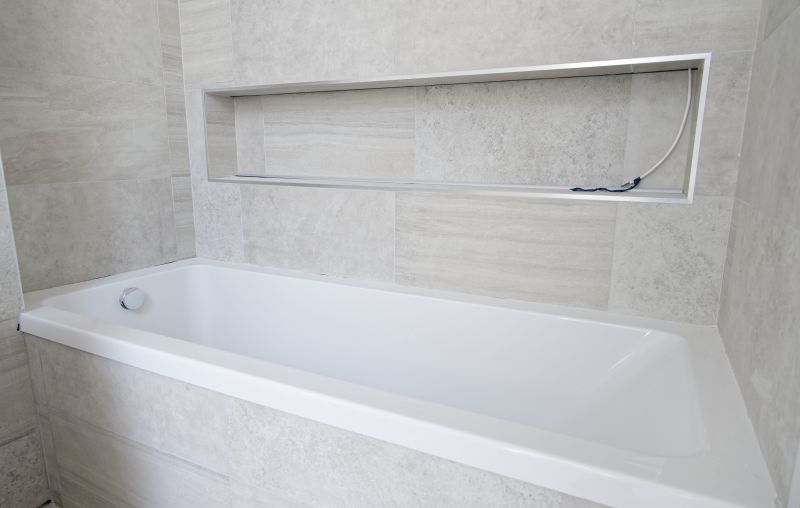
A 60-second routine that keeps Bathtub Refinishings looking new.
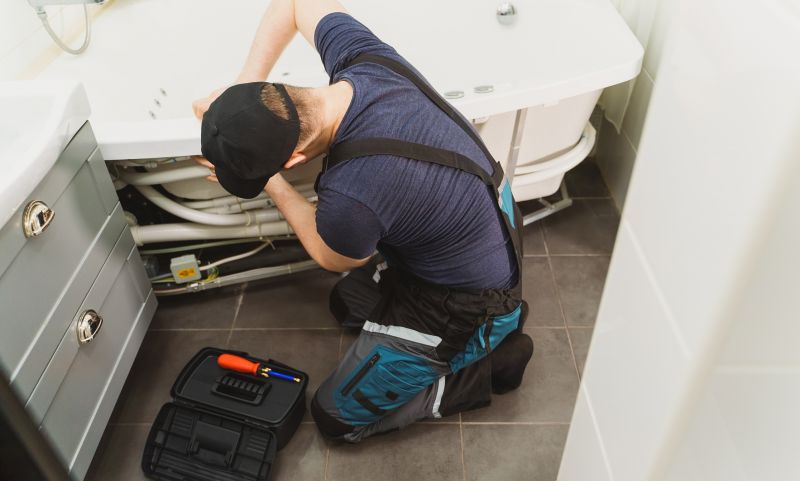
A frequent mistake in Bathtub Refinishings and how to dodge it.
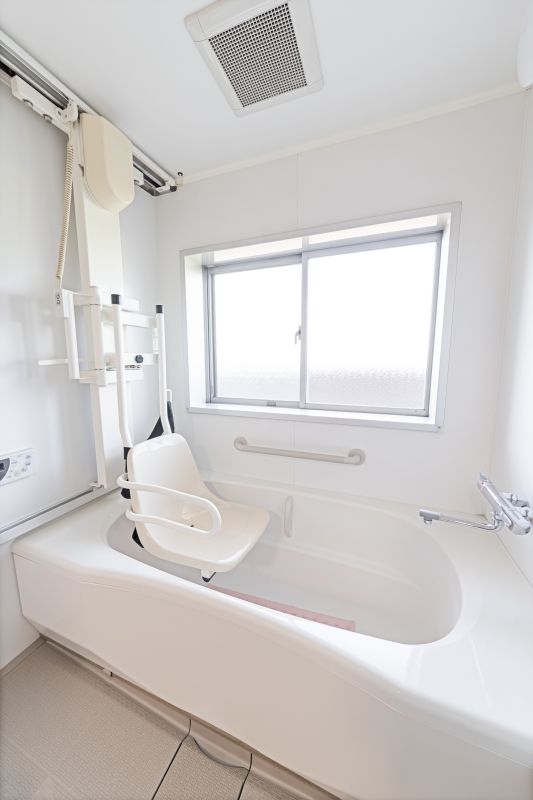
Small tweaks to make Bathtub Refinishings safer and easier to use.

Lower-waste or water-saving choices for Bathtub Refinishings.
Interested in restoring the appearance of a bathtub through refinishing? Filling out the contact form can provide additional information and help schedule a suitable time for the process. Proper timing and preparation can ensure a long-lasting, high-quality finish.